Key Aspects of Creating Multilingual
Websites for International Business
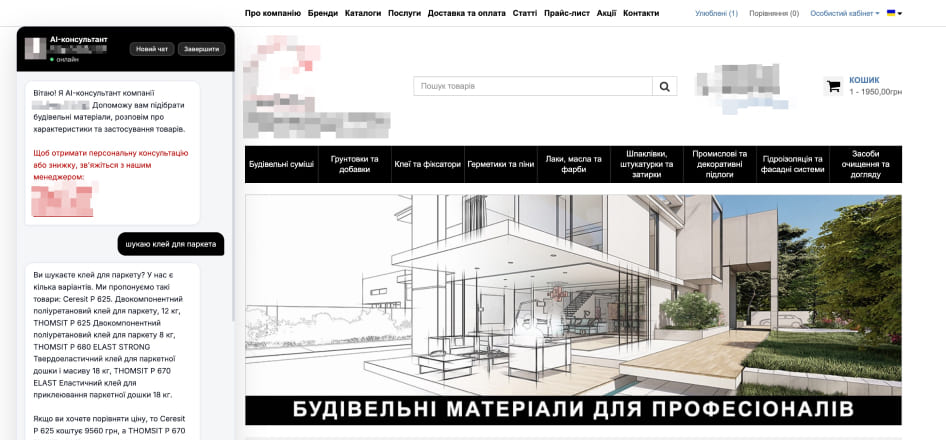
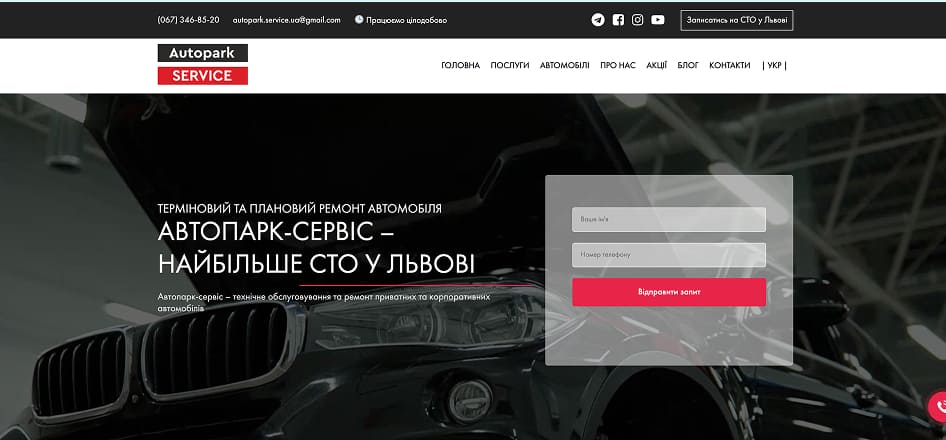
In today’s globalized world, a multilingual website is a key element of a successful international business. An optimized multilingual web resource allows businesses to expand their audience, improve SEO rankings on Google, and provide a high-quality user experience. In this article, we will explore the key aspects of multilingual website creation, SEO optimization, and technical implementation.
Choosing the Right Multilingual Website Structure
 The right approach to website structure affects ranking and usability:
- Separate domains (ccTLD) – e.g., site.fr for France, site.de for Germany. This is an ideal solution for brands with localized content and SEO strategies.
- Subdomains – fr.site.com or de.site.com. Allows for brand consistency while enabling local targeting.
- Subdirectories – site.com/fr/ or site.com/de/. This is the most flexible solution for SEO promotion and simplifies technical maintenance.
The choice depends on budget, marketing strategy, and SEO goals.
Localization and Content Adaptation
Translating a website is just one part of localization. It is essential to consider:
- Cultural nuances – colors, symbols, and images may have different meanings in different countries.
- SEO optimization for the local market – adapting keywords for each language version.
- Data formats – adjusting currencies, measurement units, dates, and phone numbers.
- Legal requirements – compliance with GDPR and other legal regulations.
Proper localization increases website conversion rates and builds user trust.
Technical Implementation of a Multilingual Website
To make a site SEO-friendly, consider the following technical aspects:
- hreflang tags – tell search engines which language version corresponds to a specific country.
- Automatic redirection – based on IP address or browser language settings.
- SEO-optimized URLs – should contain keywords in the respective language.
- Page loading speed – using a CDN for global reach.
Optimizing the technical aspects helps improve SEO rankings and reduce bounce rates.
SEO Optimization for Multilingual Websites
SEO for a multilingual website includes the following steps:
- Optimizing meta tags (title, description) for each language.
- Using relevant keywords in headings, URLs, and content.
- Creating localized content – blogs, reviews, and news relevant to each market.
- Quality link building – acquiring backlinks from local websites.
- Google My Business – registering in local directories to boost search engine trust.
Proper SEO optimization helps attract organic traffic from different countries.
User Experience and UX/UI Design
For a multilingual website to be user-friendly and appealing, it is essential to:
- Add an intuitive language switch – flags or a dropdown menu.
- Adapt the design for different regions (appropriate fonts, color schemes, CTA buttons).
- Optimize the mobile version – most users access websites via smartphones.
- Improve page load speed – minimize image sizes, use caching.
A well-designed UX/UI increases user engagement and conversion rates.
Conclusion
Creating a multilingual website for international business is a complex but necessary process for attracting customers from different countries. It is crucial to consider SEO optimization, content localization, proper technical implementation, and UX design.
The GS4B team specializes in creating, optimizing, and SEO-promoting multilingual websites. Contact us to take your business to the international level!